
Every May the Giro d'Italia turns the most beautiful corners of Italy into a stadium — the 48 hairpins of the Stelvio, the towers of the Dolomites, an active volcano in Sicily, the white gravel roads of Tuscany. Here are the race's most iconic places, with locations you can visit yourself.
Italy's greatest race, through Italy's greatest scenery
The Giro d'Italia is one of cycling's three Grand Tours — a three-week race held every May since 1909. It is organised by the sports daily La Gazzetta dello Sport, which has always been printed on distinctive pink paper; that is why the overall leader wears the maglia rosa, the pink jersey, and why Italians simply call it "the pink race". It has traditionally finished in Milan, where the paper is based.
The route is redrawn every year, but it keeps returning to the same cast of legendary mountains and cities. The good news for travellers is that you do not need a bike — or a race — to enjoy them. Every place below is a spectacular destination in its own right, and most of the famous passes are a joy to drive in summer. Here are the Giro's greatest hits, with a pin for each.
Passo dello Stelvio — the roof of the Giro
At 2,758 metres the Stelvio is the highest paved pass in the Eastern Alps and, more often than any other climb, the Cima Coppi — the prize for the highest point of each Giro, named after the champion Fausto Coppi. Its north side stacks 48 numbered hairpins up a near-vertical wall of rock, a sight so dramatic it regularly tops lists of the greatest driving roads in the world.
It straddles the border of Lombardy and South Tyrol, and the road is usually open only from about June to October — the rest of the year it belongs to the snow. Drive it, cycle it, or just ride up and watch the switchbacks disappear below you.

The Dolomites — the pink race's heartland
No mountains are more bound up with the Giro than the Dolomites, the pale, saw-toothed peaks of the north-east that UNESCO lists as World Heritage. The Passo Pordoi, topped by a monument to Coppi, has been the Cima Coppi more times than any other climb; the nearby Passo Giau and Passo Sella are just as beautiful and just as brutal.
The most spectacular summit finish of all is at the Tre Cime di Lavaredo, where the road ramps up to the Rifugio Auronzo beneath three sheer stone towers — one of the defining images of the whole sport. In summer the same roads make the Sella Ronda, a loop of passes that is a bucket-list drive or ride.

Zoncolan and Mortirolo — the cruellest climbs
Some climbs the Giro saves for the pure pain they inflict. Monte Zoncolan, in the Friulian Alps, is nicknamed "the Kaiser": its ascent from Ovaro averages brutal double-digit gradients and spikes to around 27%, which riders rank among the hardest finishes in cycling.
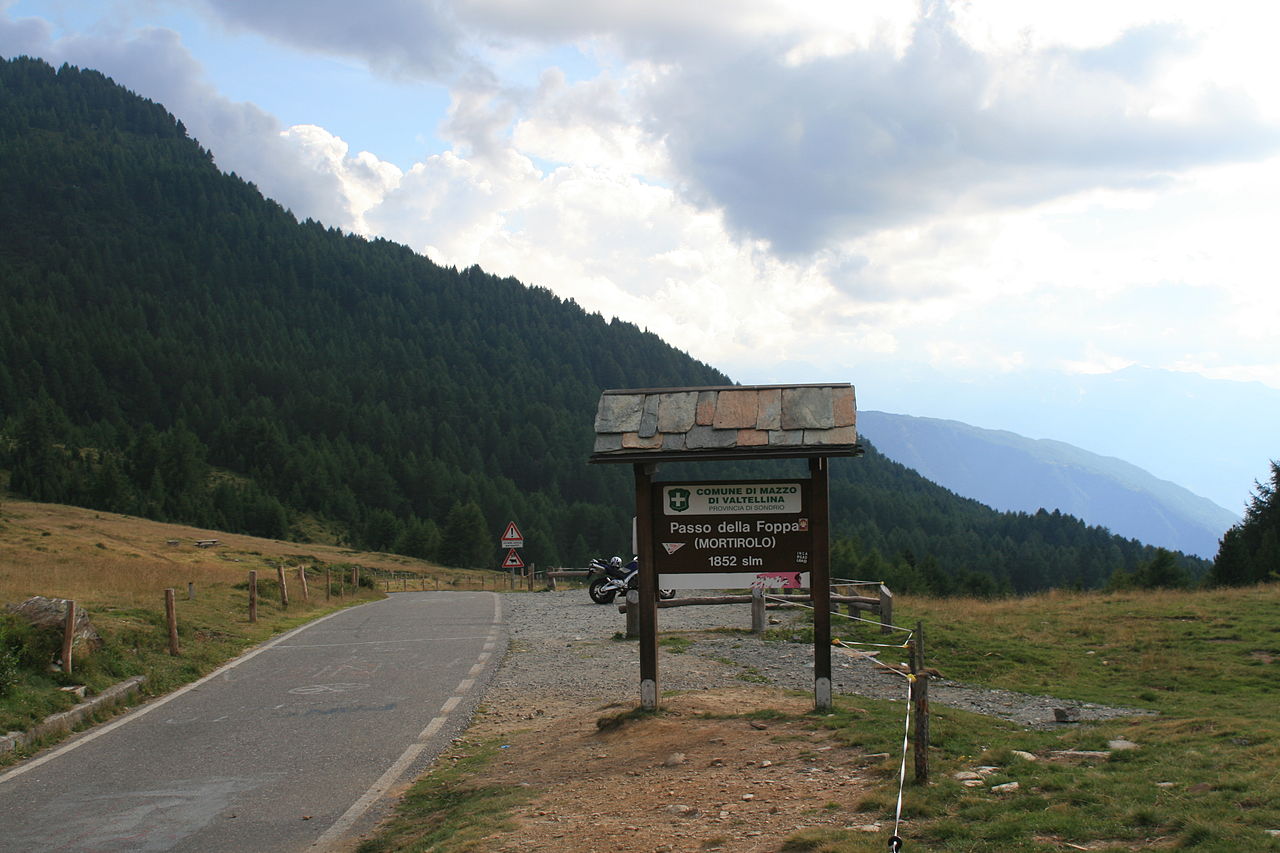
The Passo del Mortirolo, in Lombardy, is the other legend — a dark, relentless wall through the trees where Marco Pantani built some of his most famous attacks, now marked by a memorial to him beside the road. Neither is pretty in the postcard sense, but for anyone who loves the sport they are sacred ground.
Mount Etna — racing up a live volcano
When the Giro goes south it has an ace up its sleeve: Mount Etna, the largest active volcano in Europe, rising straight out of the Sicilian coast. Summit finishes climb to the Rifugio Sapienza at around 1,900 metres through a lunar landscape of black lava fields, often with a smoking crater above and snow on the upper slopes.
It is one of the most otherworldly places any bike race visits, and an unforgettable day trip from Catania or Taormina whether or not the peloton is in town — cable car and 4x4 tours run up toward the craters.

The white roads of Tuscany and the Colle delle Finestre
Not every Giro drama happens on a mountain. The race loves the strade bianche — the white gravel farm roads that thread the Crete Senesi south of Siena through cypress-lined hills that look painted. They are postcard Tuscany, and the setting for some of the most photogenic stages in the sport.
Higher and wilder is the Colle delle Finestre in Piedmont, whose top eight kilometres are unpaved: a ladder of gravel hairpins through the forest to a bare 2,178-metre pass. It was here, in 2018, that the race was blown apart by a long solo raid — proof that the Giro will always reach for the most spectacular road it can find.

Milan, Verona and Rome — the cities of the Giro
The race is not all mountains. It traditionally ends in Milan, with the final kilometres and the overall celebration under the spires of the Piazza del Duomo. Verona has hosted thrilling final time trials that finish on the floor of its 2,000-year-old Roman Arena, the same amphitheatre that stages summer opera.
And in recent years the Giro has crowned its champion in Rome, with laps along the Via dei Fori Imperiali sweeping past the Colosseum and the Roman Forum — a finale that turns the ancient city into the world's grandest finish line.

How to see the Giro — and ride the route yourself
The Giro runs for about three weeks in May, and the exact route is announced the previous autumn, so check the year's stages before you plan. To watch a mountain stage, arrive early: the climbs close to traffic hours ahead, the fans arrive the night before, and the atmosphere on a pass like the Stelvio or Zoncolan is extraordinary. City finishes in Milan, Verona or Rome are easier — just turn up in the afternoon.
If you would rather have the roads to yourself, come in summer. From roughly June to October the great passes are open and glorious to drive or cycle, long after the race has gone. Pair the Dolomites or Tuscany with our tours and the trip planner below, and you can trace the pink race at your own pace.