The Fascinating History of Lake Como
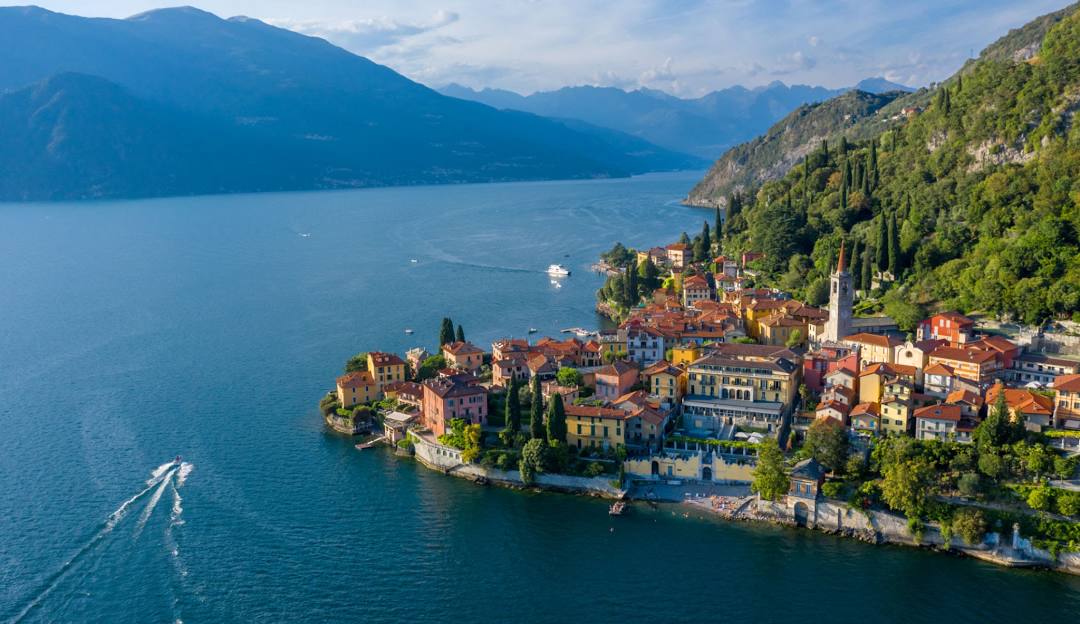
Nestled in the shadow of the Alps, Lake Como is one of Italy’s most stunning natural treasures. Known for its breathtaking beauty, elegant villas, and charming lakeside towns, the lake has captured the hearts of visitors for centuries. However, beyond its picturesque scenery lies a rich and intriguing history that dates back thousands of years. Let’s dive into the captivating story of Lake Como.
Ancient Origins
The history of Lake Como begins with its geological formation during the last Ice Age, over 10,000 years ago. As glaciers carved through the Alps, they left behind the deep basin that would eventually become Lake Como. The lake’s unique inverted Y-shape is a testament to this ancient glacial activity.
Human habitation around the lake dates back to prehistoric times. Archaeological findings suggest that the area was home to early hunter-gatherer societies, who likely relied on the lake for food and transportation. By the first millennium BCE, the region was inhabited by the Celtic tribes of the Insubres and Orobi, who established settlements and began cultivating the fertile land around the lake.
Roman Influence
The Romans conquered the area in the 2nd century BCE, and Lake Como (then known as Lacus Larius) became an important part of their empire. The lake served as a vital transportation route, linking northern Italy to the Alps. Roman engineering left a lasting legacy, with roads and aqueducts enhancing the region’s infrastructure.
Pliny the Younger, a renowned Roman author and statesman, owned luxurious villas on the shores of Lake Como. His writings vividly describe the lake’s serene beauty, which he found both inspiring and restorative. The Romans also introduced olive cultivation and winemaking to the area, traditions that endure to this day.
The Medieval Era
Following the fall of the Roman Empire, Lake Como experienced centuries of political turbulence. The Lombards, a Germanic tribe, established control over the region in the 6th century CE. During the Middle Ages, the lake became a contested territory among various feudal lords and city-states, including Milan and Como.
The construction of fortresses and castles around the lake—such as the iconic Castello di Vezio—reflects this era of conflict. Meanwhile, monasteries and churches flourished, contributing to the region’s cultural and spiritual development. The Benedictine and Cistercian orders, in particular, played a crucial role in preserving knowledge and fostering agriculture.
The Renaissance and Beyond
The Renaissance brought a period of prosperity and cultural flourishing to Lake Como. Wealthy families from Milan and beyond built opulent villas along the lake’s shores, transforming it into a symbol of luxury and refinement. Notable villas such as Villa Balbianello and Villa Carlotta remain architectural masterpieces, attracting visitors from around the world.
During the 18th and 19th centuries, Lake Como became a favored destination for European aristocrats and artists. Romantic poets like Percy Bysshe Shelley and Lord Byron extolled its beauty, while composers such as Franz Liszt found inspiration in its tranquil setting. This period cemented Lake Como’s reputation as a haven for creativity and leisure.
Modern Times
In the 20th century, Lake Como continued to evolve as a premier travel destination. Its idyllic scenery and rich cultural heritage have drawn celebrities, filmmakers, and travelers seeking a taste of Italian elegance. Iconic films like Casino Royale and Star Wars: Episode II have showcased the lake’s enchanting landscapes.
Today, Lake Como remains a harmonious blend of history, nature, and modernity. Visitors can explore ancient ruins, stroll through charming villages like Bellagio and Varenna, or simply relax by the water’s edge. The lake’s timeless allure ensures that it will continue to captivate generations to come.
Conclusion
Lake Como is more than just a scenic retreat—it is a living tapestry of history and culture. From its glacial origins to its Roman legacy, medieval conflicts, and Renaissance splendor, the lake has witnessed the ebb and flow of human civilization. As you take in its breathtaking vistas, remember that every ripple in its waters carries echoes of the past, inviting you to be a part of its enduring story.